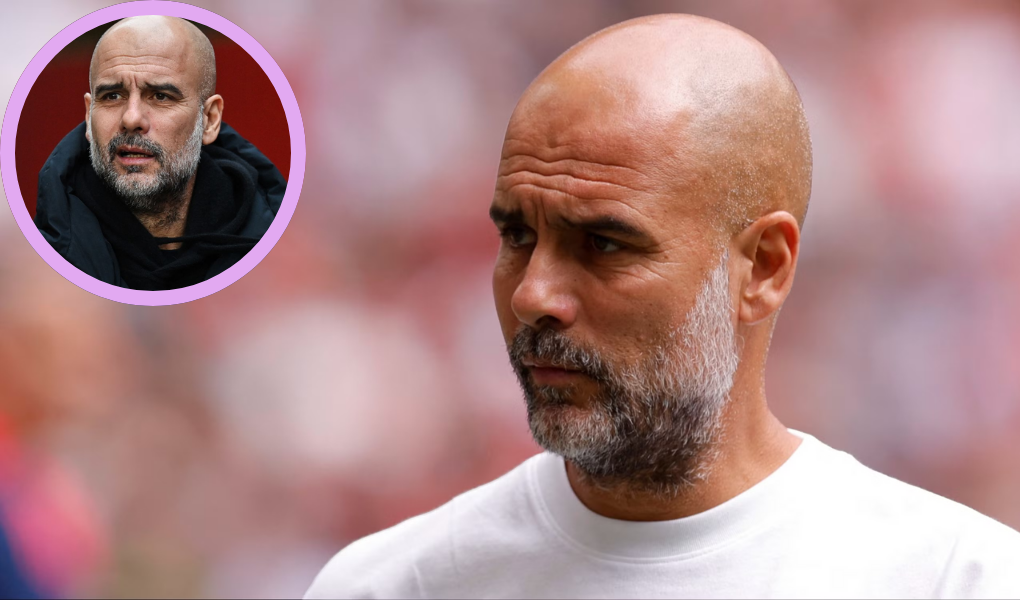

Pep Guardiola is one of the most influential and successful football managers in modern history, known for his genius tactics, iconic playing style, and remarkable leadership. Over the years, he has guided world-class teams to countless trophies, revolutionized the sport with his strategic innovation, and built a legacy that places him among the greatest managers of all time.
With global fame, high-paying managerial contracts, sponsorships, and performance bonuses, Pep Guardiola’s net worth has become a topic of huge interest for football fans and the media. In this detailed biography, we explore Pep Guardiola Net Worth, his lifestyle, professional journey, personal life, and the factors that shaped him into a football mastermind.
Early Life and Background
Pep Guardiola was born on January 18, 1971, in Santpedor, a small town in Catalonia, Spain. Raised in a modest middle-class family, Guardiola discovered a deep passion for football at a young age. He often spent long hours playing in the streets or local fields, refining skills that would later help him stand out in Barcelona’s competitive youth system. His early upbringing instilled discipline, humility, and an intense love for the sport—traits that would later become fundamental to his managerial philosophy.
Joining FC Barcelona’s famous youth academy, La Masia, at just 13 years old, Guardiola quickly became known for his intelligence, calmness on the ball, and outstanding game-reading ability. His early mentors praised him for his work ethic and strategic vision, qualities that laid the foundation for both his successful playing career and later managerial accomplishments.
Pep Guardiola’s Playing Career
Before Guardiola became a legendary manager, he enjoyed a strong playing career, primarily as a defensive midfielder. His time at FC Barcelona under Johan Cruyff marked the beginning of his rise. He became a crucial part of Cruyff’s “Dream Team,” helping the club achieve historic milestones, including winning Barcelona’s first European Cup.
As a player, Guardiola was not the fastest or most physically dominant athlete on the pitch, but he possessed exceptional passing, positional awareness, and leadership. His vision allowed him to control the game from midfield, guiding the team’s tempo and contributing to Barcelona’s evolution into a possession-based powerhouse.
Later in his playing career, he moved to teams such as Brescia, Roma, Al-Ahli, and Dorados de Sinaloa. Although the latter phase of his career was quieter, it expanded his experience with different football cultures. This exposure enriched his tactical understanding and influenced the managerial approach he would eventually bring to Barcelona, Bayern Munich, and Manchester City.
Transition to Coaching: The Birth of a New Era in Football
After retiring from playing, Guardiola entered the world of coaching, starting with Barcelona B in 2007. His quick success and impressive leadership convinced the club to appoint him as the first-team manager in 2008. This marked the beginning of an astonishing managerial run that would transform modern football.
Guardiola introduced a tactical philosophy centered around possession, high pressing, quick passing (often referred to as “tiki-taka”), and total positional control. His system relied on smart movement, technical excellence, and attacking creativity. Under his guidance, players like Lionel Messi, Xavi, Andrés Iniesta, Sergio Busquets, and Gerard Piqué reached legendary status.
Guardiola’s style became so influential that clubs around the world attempted to replicate it. Today, his approach remains one of the most studied and admired tactical systems in football history.
Managerial Success at Barcelona
During his time at Barcelona from 2008 to 2012, Guardiola won an astonishing 14 trophies in four seasons, including:
- 3 La Liga titles
- 2 UEFA Champions League trophies
- 2 Copa del Rey titles
- 3 Spanish Super Cups
- 2 UEFA Super Cups
- 2 FIFA Club World Cups
This era is widely considered one of the greatest dynasties in football. Barcelona frequently dominated top European clubs, delivering unforgettable performances such as the 5–0 victory over Real Madrid and the masterclass win against Manchester United in the 2011 Champions League final.
Guardiola’s dominance at Barcelona was also a foundational contributor to his wealth, as his success dramatically elevated his global reputation and market value.
Achievements at Bayern Munich
After a year-long sabbatical, Guardiola took over Bayern Munich in 2013. While he did not win the Champions League with the German giants, his time there was highly successful. He won:
- 3 Bundesliga titles
- 2 DFB-Pokal trophies
- 1 UEFA Super Cup
- 1 FIFA Club World Cup
More importantly, he introduced new tactical dimensions that changed Bayern’s style and influenced German football as a whole. His Bayern teams were known for their attacking fluidity, aggressive pressing, and structured buildup play. He also helped develop players like Joshua Kimmich, David Alaba (as a defender), Kingsley Coman, and Thiago Alcântara.
Pep Guardiola at Manchester City: Building a Premier League Empire
Guardiola’s move to Manchester City in 2016 opened a new chapter in his managerial career. In England, he faced tougher competition, different playing styles, and a more physically demanding league. Despite these challenges, he transformed Manchester City into one of the most dominant teams in Premier League history.
Under Guardiola, Manchester City has achieved:
- Multiple Premier League titles
- FA Cups and Carabao Cups
- A historic treble
- Record-breaking points tallies (100 points in 2017–18)
- Innovative tactical systems like inverted full-backs and hybrid roles
Manchester City’s dominance under Guardiola has significantly enhanced his net worth through high-paying contracts, performance bonuses, and global endorsements.
Pep Guardiola Net Worth
One of the most searched topics about the legendary coach is Pep Guardiola Net Worth. Over a long and decorated career, he has accumulated substantial wealth through managerial salaries, brand endorsements, sponsorships, bonuses, investments, and personal ventures.
While estimates vary depending on the source, most financial analysts agree that Pep Guardiola’s net worth is extremely impressive, placing him among the richest football managers in the world.
His income sources include:
- Manchester City salary, which is among the highest for any football manager
- Bonuses for winning titles and trophies
- Brand partnerships and endorsements
- Private investments
- Real estate holdings
- Previous lucrative contracts with Barcelona and Bayern Munich
Guardiola’s financial success reflects both his managerial brilliance and the global recognition he has earned over the years.
Family and Personal Life
Despite being globally known, Pep Guardiola prefers to keep his personal life private. He is married to Cristina Serra, a successful businesswoman with expertise in fashion and design. The couple has three children: Marius, Maria, and Valentina. Guardiola is known for his dedication to family and often credits them for supporting him throughout his career.
Outside football, Guardiola enjoys reading, traveling, and studying different sports, including basketball—another passion from his youth. He is also involved in various charitable activities, often supporting social causes and youth sports development.
Managerial Philosophy and Legacy
Pep Guardiola’s legacy extends far beyond trophies. His tactical innovations have reshaped modern football. Managers worldwide, from elite coaches to grassroots trainers, study his methods to improve their teams.
Guardiola emphasizes:
- Ball possession
- High pressing with coordinated team movement
- Positional play and spacing
- Technical intelligence
- Versatility in players’ roles
His influence can be seen in teams across Europe, South America, and Asia, demonstrating the global impact of his style.
Future Prospects and Ongoing Influence
As Guardiola continues to lead Manchester City, speculation about his future remains constant. Whether he stays at the club, returns to Barcelona someday, or takes charge of a national team, his next move will undoubtedly shape the football landscape.
Regardless of where he goes, his influence will endure, inspiring future generations of coaches and players. His legacy is built not just on victories but on innovation, intelligence, and a deep love for the beautiful game.
Conclusion
Pep Guardiola’s journey—from a young Catalan footballer to one of the most iconic managers in history—is a story of talent, hard work, and relentless pursuit of excellence. Pep Guardiola Net Worth reflects not only financial success but also decades of dedication to his craft. His impact on clubs, players, and football philosophy has made him a true global icon. As he continues to break records and redefine tactics, Guardiola’s place among football’s greatest legends is already secured.